Soil Association Drops Organic Salmon Standards Over Welfare Concerns
Britain's leading organic certifier is pulling its logo from farmed salmon after a two-year review found high fish deaths and heavy reliance on wild fish feed.
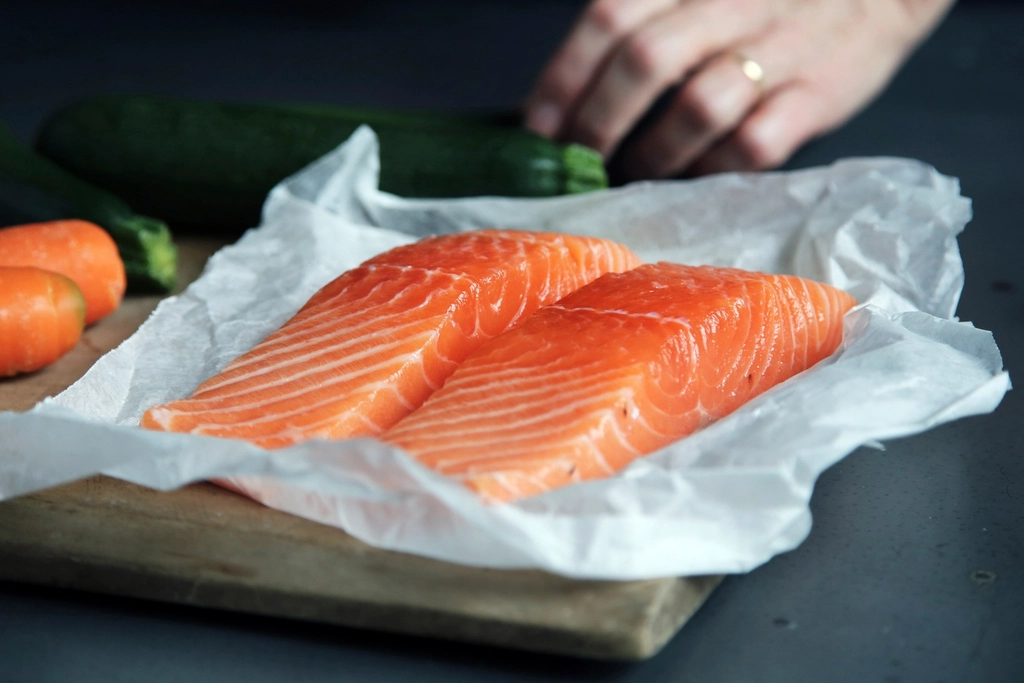
The Soil Association, the British charity that runs the country’s best-known organic certification label, is withdrawing from setting standards for organic farmed salmon after about two decades. It concluded that the industry’s welfare and environmental record falls short and is not likely to improve fast enough. The decision, announced on Monday, Nov. 9, means the charity’s logo will gradually disappear from salmon packaging. Scottish producers will still be able to sell their fish as organic under government rules.
What happened
The charity said it reached its decision after a two-year review of the sector that brought in producers, scientists, policymakers, animal welfare groups and campaigners, according to trade publications Fish Farming Expert and Salmon Business. Helen Browning, the Soil Association’s chief executive, said the evidence showed “welfare and environmental outcomes are not sufficient for us to continue,” Grocery Gazette reported.
The review’s central concern was mortality. Death rates on organic salmon farms were high and not significantly better than at conventional sites, the charity found. In a statement on its website, the Soil Association said warming seas were feeding outbreaks of parasites, blooms of tiny jellyfish and disease, which are problems often outside producers’ control. It added that scientists still do not know enough about what makes a good life for a farmed salmon for it to introduce new welfare-outcome tests with confidence. Monitoring standards it had proposed would have taken several years to put in place.
Feed was the second sticking point. Organic rules call for as natural a diet as possible. The review found that in practice this has led to too much reliance on wild-caught fish. The charity looked at requiring feed made from marine by-products and fish trimmings instead, but it said problems tracing those ingredients meant it could not be confident of a quick switch.
Browning said progress toward the charity’s original vision of a more diverse, enriched form of sea farming had been negligible, Fish Farming Expert reported. She said solving the problems would take a broad research and development effort that is not the Soil Association’s role to lead.
Why it matters
The move strips one of Britain’s most recognizable food labels from a high-profile product, and it comes from a body that had worked with the industry for about 20 years. The charity’s standards went beyond the legal organic baseline. Fish Farming Expert noted, for example, that they required lower stocking densities than conventional Scottish farms.
The charity said its rules had helped lift practices across the whole industry, organic and non-organic alike, including the spread of stunning fish before slaughter and cleaning nets without chemicals. Organic sites also performed well on veterinary medicines: the Soil Association said the lice treatment deltamethrin had been used only twice on them in the past two years.
Salmon Scotland, the industry’s trade body, sought to reassure buyers. A spokesperson said the UK government had assured it that farms would continue to be assessed against organic standards without losing certification, according to Fish Farming Expert and Grocery Gazette.
Campaigners claimed some credit for the decision. Dale Vince, the green energy entrepreneur whose Green Britain Foundation has campaigned against organic salmon farms, said the move followed its work exposing what it described as cruelty and pollution on the farms, and he urged the RSPCA Assured welfare label to follow suit, Fish Farming Expert reported. The Soil Association said the foundation’s evidence was considered in the review but was not the reason for it or for the outcome.
What comes next
The change will be gradual. Key points so far:
- Soil Association Certification, the charity’s certification arm, will honor existing contracts and keep certifying farms against the statutory organic regulations while next steps are agreed.
- A timetable for removing the logo will be worked out with producers and processors, starting in the coming weeks, to give them time to change packaging.
- The logo may stay on some products for a while, because items such as canned salmon have long shelf lives.
- The charity says it will keep pushing for better salmon farming through IFOAM Organics International, a global federation of organic groups, and its European branch.
Reports differ on exactly when the logo will be gone and what will replace it. Fish Farming Expert said the charity hopes to remove it by the end of 2027, and suggested the EU organic label, or a new mark showing compliance with standards set by the Department for Environment, Food and Rural Affairs (Defra), could take its place by 2028. Salmon Business said no removal date has been confirmed.
The decision did not come out of nowhere. In May 2025, the Soil Association warned it would leave the sector unless “meaningful progress” was made by the summer of 2026, Fish Farming Expert reported. It had proposed measures including a complete ban on deltamethrin at organic farms and a phase-out of wild forage fish in feed.