Zelenskyy Says SpaceX Is Not Being Honest About Starshield Speed Cap
Ukraine's president rejects SpaceX's claim that a new speed cap on its Starshield satellite service is a technical glitch, calling the limits widespread.
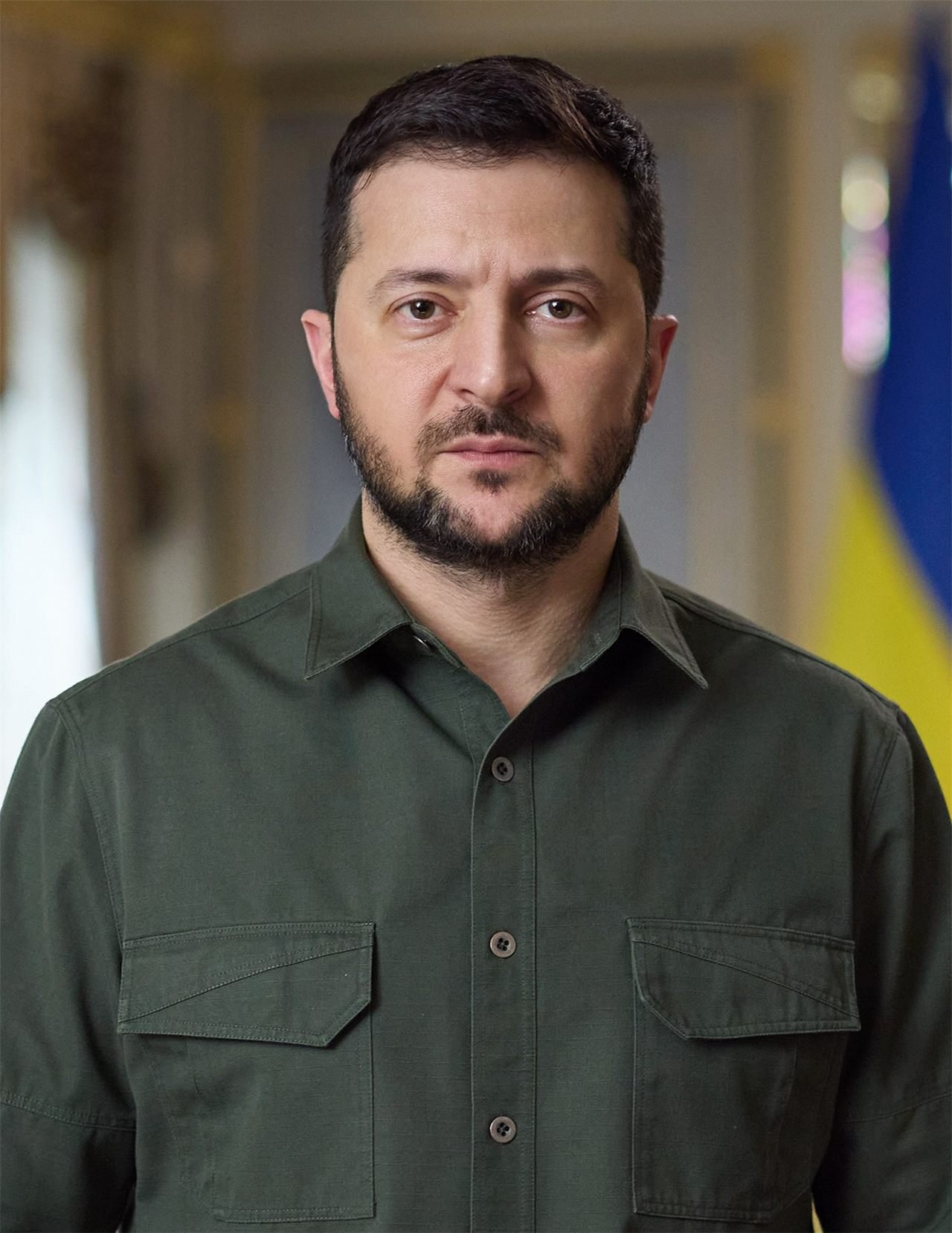
Ukrainian President Volodymyr Zelenskyy has rejected SpaceX’s explanation for a new round of disruptions to Starshield, the military version of the company’s Starlink satellite internet service, saying the speed limits hitting his country’s drones are widespread and not the result of a technical fault. The dispute, the second of its kind in about a month, puts Elon Musk’s rocket and satellite company back at the center of an argument over who controls a communications network that Ukraine’s armed forces rely on.
What happened
According to Ukrainska Pravda, which cited remarks Zelenskyy made to journalists on Friday, Nov. 13, Ukrainian forces had recorded restrictions on Starshield for five days in a row. During talks with Ukraine’s Ministry of Defense, SpaceX said it had not restricted the service and described the problem as technical, the outlet reported.
Zelenskyy said Ukraine did not accept that account. He said Ukrainian teams test the connection every day in several sectors of the front and keep confirming the problem, which he said meant the disruptions were “not isolated incidents but widespread.”
The trouble surfaced publicly on Nov. 12, when Zelenskyy said on X and Telegram that Starshield connections were again dropping for anything moving faster than about 100 miles per hour, or 161 kilometers per hour, DroneXL, a publication that covers the drone industry, reported. He described the problem as “systematic speed restrictions” rather than random errors, after briefings from Defense Minister Yevhenii Khmara and Commander-in-Chief Mykhailo Drapatyi, according to that report.
SpaceX gave a short denial. “This is false,” the company told Axios, adding that nothing had changed, DroneXL reported. SpaceX declined to comment to Reuters, and the Pentagon and White House did not immediately respond, according to the same report.
Why it matters
The speed limit matters because of how Ukraine fights Russian drones. Kyiv uses its own interceptor drones to chase down Russia’s jet-powered Shahed-type attack drones, which fly far faster than 100 mph. Russia’s jet-powered Geran-4 can reach about 310 mph, according to a Ukrainian intelligence teardown cited by DroneXL. If an interceptor’s satellite link drops above a certain speed, it cannot catch its target.
Zelenskyy said some Russian strikes got through because interceptors could not reach the speeds they needed in time, DroneXL reported. Denys Sienik, Ukraine’s chargé d’affaires in Washington, said the limits applied over occupied territory and along the front line, which he called “the first point for interception of Russian drones.” He also said Ukraine’s contract for Starshield access expires next year and that Kyiv wants talks on a new one to begin urgently.
The issue has drawn reaction beyond Kyiv:
- Mette Frederiksen, prime minister of Denmark, said she was concerned about the disruptions and would raise the matter with the United States, Ukrainska Pravda reported.
- The Congressional Ukraine Caucus, a bipartisan group of 105 members of the U.S. House of Representatives, said it was “extremely alarmed” and called on the Trump administration and SpaceX to fully restore Ukraine’s access.
Background: the October cap
The current dispute follows a similar episode in October. Overnight from Oct. 13 to Oct. 14, Ukrainian military users found that satellite-linked equipment moving faster than about 100 mph lost its connection, Fortune reported. Zelenskyy said on Oct. 24 that normal speeds had returned, according to DroneXL.
Responsibility for that first cap was never settled, and accounts conflicted. Musk wrote on X that Starshield’s speed and usage limits are set by the U.S. military and ultimately the president. Two U.S. officials and a Western official told Reuters the order came from inside the White House, while The Telegraph reported that Musk had proposed the caps to President Donald Trump, who approved them, Fortune reported. Trump told reporters, “It wasn’t me, and I don’t think it was Elon.” Secretary of State Marco Rubio called reports of a White House order “categorically false” and said Ukraine did not currently have access to Starshield, a point that sits uneasily with Ukrainian officials’ description of their contract. Defense Secretary Pete Hegseth said in October that the Pentagon had issued no directive, according to DroneXL.
What comes next
Oversight questions remain open. Sen. Richard Blumenthal of Connecticut, the top Democrat on the Senate Permanent Subcommittee on Investigations, wrote to Musk on Oct. 22 asking SpaceX officials with direct knowledge of the first restriction to brief the panel by Nov. 12, DroneXL reported. It was unclear whether that briefing took place. The Pentagon’s inspector general declined in late October to investigate the first cap, saying the Air Force was better placed to answer, though a spokeswoman said the office could reconsider if new information emerged.
Zelenskyy said further checks may follow. For now, Kyiv says it has received no clear explanation from SpaceX or Washington, leaving Ukraine’s drone units dependent on a link whose limits are being set by someone it cannot name.