Trump Says US Will End $3.8 Billion a Year in Military Aid to Israel
Trump said on Election Day that annual US military aid to Israel would end by year's end, catching Israeli officials off guard and raising legal questions.
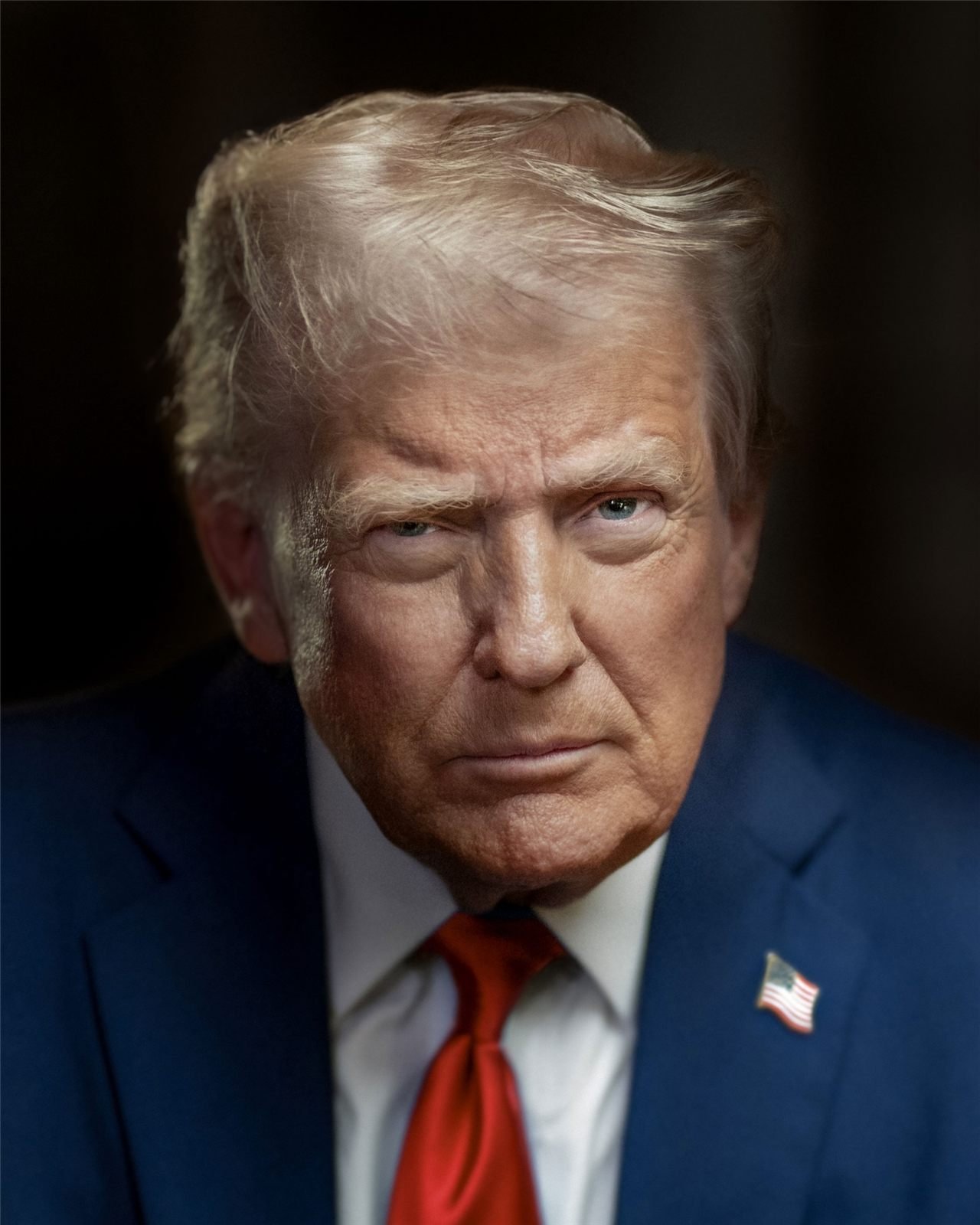
President Donald Trump said on Tuesday that the United States will stop giving Israel its roughly $4 billion in annual military aid by the end of 2026. The surprise announcement came as Americans voted in the midterm elections, and it left Israeli officials scrambling for details. Analysts also pointed out that the aid is set by a multiyear agreement and funded by Congress, so the president cannot simply end it on his own.
What Trump said
Trump made the remarks in a phone interview with Brian Kilmeade, a Fox News host, on Election Day. According to ABC News, he said he and Israeli Prime Minister Benjamin Netanyahu had “made a deal months ago” and that Israel was “fine with it” because the country is now prosperous and no longer needs the money. He said Netanyahu had raised the idea himself and that ending the aid would be “appropriate.” He added that Washington would help again if Israel asked, and that the US would keep selling weapons to Israel.
Trump gave no details on which forms of aid would end or how. ABC News reported that when pressed, he did not say whether the cut applied to cash, equipment or both, and he suggested it was part of an effort to balance the federal budget.
The president openly tied the decision to domestic politics. He said Republicans should not have to “suffer the slings from lunatics like an El-Sayed,” a reference to Abdul El-Sayed, the Democratic Senate nominee in Michigan and a critic of US aid to Israel, who is in a close race with Republican former Rep. Mike Rogers. The Times of Israel reported that Trump presented the move as a way to blunt criticism that the US gives Israel more money than any other country.
Surprise in Israel
Netanyahu’s office did not immediately comment, according to ABC News and The Times of Israel. But officials in Israel’s Finance Ministry told both outlets they were surprised by how quickly the change was supposed to take effect. One noted that next year’s budget had already been drafted on the assumption that the current agreement would continue. The Times of Israel reported that defense officials were also caught off guard.
Opposition leaders, who are in a strong position after Israel’s October 27 parliamentary election left Netanyahu’s bloc short of a majority, quickly went on the attack. Gadi Eisenkot, a former military chief who heads the Yashar party and is Netanyahu’s main rival, said Israelis had learned of the change from the media and that the country “must replace him,” ABC News reported. Yair Golan, leader of the left-wing Democrats party, said ending the aid would seriously damage Israel’s security. Avigdor Liberman, head of the Yisrael Beytenu party, described the aid cut as the price of Trump’s backing for Netanyahu, according to The Times of Israel.
In the United States, reactions among pro-Israel groups differed. Matt Brooks, chief executive of the Republican Jewish Coalition, said the relationship was “stronger than ever” and that reducing aid had been discussed openly. Morton Klein, president of the Zionist Organization of America, asked why aid to other countries, including Egypt and Jordan, was not also being cut.
Why the numbers don’t line up
Most US military aid to Israel is governed by a 10-year memorandum of understanding (MOU), a nonbinding agreement signed near the end of the Obama administration. It covers fiscal years 2019 to 2028 and pledges $38 billion, or about $3.8 billion a year. ABC News reported that $3.3 billion of the annual amount is Foreign Military Financing, a program of grants that are mostly spent on US-made weapons. Congress effectively wrote those annual levels into law through the National Defense Authorization Act for fiscal year 2021, which passed with support from both parties.
The UAE-based newspaper The National reported that the figures make Trump’s announcement less dramatic than it sounds. The aid still scheduled for 2027 and 2028 adds up to $7.6 billion. Since the Hamas-led attack on October 7, 2023, however, Congress has approved more than $8.8 billion in additional military assistance and joint defense funding, according to congressional figures cited by the paper. That means Washington has already committed more in extra money than it would save by canceling the rest of the agreement.
Brett McGurk, a former Middle East adviser in the Biden administration, noted that the aid amounts to less than one-tenth of 1% of annual federal spending, according to The Times of Israel.
Background and what comes next
Netanyahu has said for months that he wants Israel to wean itself off US military aid, but gradually. The Times of Israel reported that he told The Economist in January he hoped to complete the shift within a decade, and wrote to a US lawmaker in June that Israel should move “from aid recipient to partner.” Whether he would back an abrupt end this year is unclear, ABC News said.
The announcement also reflects shifting American opinion. An ABC News/Washington Post/Ipsos poll last month found 58% of Americans said the US should reduce or end military support for Israel.
Key questions remain open:
- Whether the White House will put the plan in writing or seek changes from Congress, which appropriates the money.
- How the cut would affect funding already approved for missile defense and weapons purchases.
- How Israel’s next government, still being formed after the October election, will respond.