UK Butcher Closes After 127 Years, Blaming Energy and Payroll Taxes
Bennett Butchers in Spalding, England, is shutting after 127 years. Its owner blames higher energy bills and National Insurance costs.
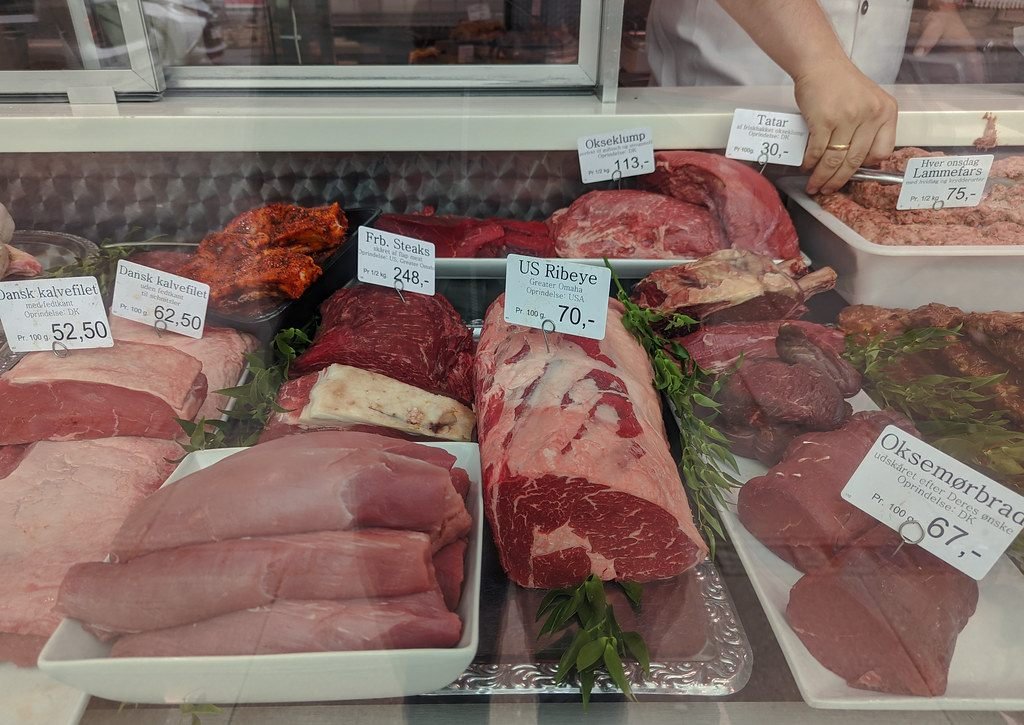
A family butcher in the English market town of Spalding is closing after 127 years. Its owner says rising energy bills and higher employer payroll taxes have made the business unviable, even though it is still turning a profit. Local newspapers reported that Bennett Butchers, on Winsover Road, planned to serve its last customers on Saturday, Nov. 28, ending a run that began in 1899.
The closure is small by the standards of the global economy. Still, it shows the cost squeeze that many British small businesses have described since the government raised employers’ National Insurance contributions, a payroll tax that companies pay on their workers’ earnings.
What happened
Andrew Parsons, who owns the shop and is the great-grandson of founder Henry Bennett, announced the decision on social media on Oct. 18. LincsOnline, the website of the Lincolnshire Free Press and Spalding Guardian newspapers, reported that the post drew an outcry from local residents. Spalding Voice, a local news outlet, reported that his post included a 1910 photograph of his great-grandfather’s original store on the town’s London Road.
In his announcement, as quoted by Spalding Voice, Parsons said the closure was “primarily due to increasing energy costs and changes to the employers national insurance, coupled with the struggling hospitality sector.” A weaker restaurant and pub trade hurts butchers that supply them.
LincsOnline gave more detail. It reported that Parsons was spending more than £100 a day on energy, that eight employees would lose their jobs, and that the shop also needed to invest in new machinery.
In a BBC report published Saturday, Parsons said the shop is still popular and profitable, but less so than before. “We’re a labour-intensive business. We’re also high energy users,” he told the broadcaster. He added that the business had reached a point where it would need to invest heavily to move forward.
A final rush of customers
According to the BBC, the announcement set off a wave of support. Parsons said the shop had sold more meat in the past six weeks than it would normally sell over two Christmas seasons, as residents stocked their freezers. An anonymous well-wisher also left a plaque at the shop praising its long record of customer service.
Parsons told the BBC he was relieved that many of his staff had already found new jobs. He said this would be the first Christmas in 44 years that he had not worked. He does not plan to retire and hopes to stay in the meat industry.
The closure also leaves a gap in the local trade. Spalding Voice reported that the Spalding and East Elloe Butchers’ Association, a local trade group, held its last meeting earlier in October because only two member shops were left: Bennett’s and Shearer and Son’s in the nearby town of Holbeach. W Hargrave and Sons, a rival butcher in the village of Pinchbeck, called the closure “the end of an era for Spalding” in a public message.
Why it matters
Bennett Butchers’ explanation echoes complaints from small British employers, especially labor-intensive businesses such as shops, restaurants and food producers. They say higher payroll costs and still-elevated energy bills have cut into margins that were already thin.
The pressures Parsons describes fall into three areas:
- Labor costs: the increase in employer National Insurance contributions that Parsons, speaking to the BBC, said the government introduced last year.
- Energy: refrigeration and processing equipment make butchers heavy power users, which leaves them exposed to high electricity prices.
- Weaker demand from hospitality: fewer orders from the pubs and restaurants that many independent butchers rely on.
The UK government says it is trying to ease these pressures. A spokesperson for HM Treasury, Britain’s finance ministry, told the BBC that the government is providing business rates support and taking action to cut costs for firms. The spokesperson said it is doubling the Employment Allowance to £10,500. The allowance lets eligible employers reduce their annual National Insurance bill. The spokesperson also said electricity bills are being cut by up to 25% for more than 10,000 eligible businesses.
What comes next
The shop’s closure ends one of the oldest family businesses in the Spalding area. Its owner and staff now move on to other work. For economists and policymakers, stories like this one show how costs land on the smallest employers. These businesses often cannot spread higher tax and energy bills across large operations, and they may decide that a big new investment is not worth the risk. Whether the government’s relief measures are enough to stop more closures of this kind remains an open question, and small-business groups are likely to keep raising it.