UK to Get ‘Voice’ but No Vote on EU Food Rules in Brexit Reset
Britain would help shape EU food rules but not vote on them under a planned trade reset that ministers say could lower costs and add £5 billion.
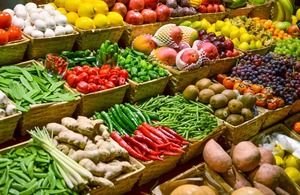
Britain would be able to help shape European Union food and farming rules but would have no vote on them under a planned “Brexit reset” meant to cut red tape for exporters, Hamish Falconer, the U.K. minister for EU relations, told the BBC on Sunday. The government of Prime Minister Andy Burnham hopes to finalize the deal with EU leaders at a summit on Friday, while opposition parties warn it would turn the country into a rule taker rather than a rule maker.
What happened
Speaking at a Marks & Spencer site in central London, Falconer said the U.K. would have a “voice in the room” as EU food rules are drafted, the BBC reported, but would not take part in votes on whether to adopt them. He argued the arrangement would lower costs for importers and supermarkets and said he hoped those savings would show up in shelf prices.
The minister also said the deal would not require Britain to make any upfront payments to the EU. He signaled that the agreement could include an “exit clause” covering what happens if a future government reversed the closer alignment, and he called it “reasonable” to plan for the possibility that a Conservative or Reform UK government might undo it. According to the BBC, the clause reflects EU worries about the cost of rebuilding border food-safety inspection facilities that would be dismantled under the reset.
What the deal would change
The food element is formally known as a sanitary and phytosanitary, or SPS, agreement, covering rules on food safety, animal and plant health, animal feed, pesticides and related standards. The U.K. and EU agreed to pursue it in May 2025, and the British government has said it intends the arrangement to take effect in mid-2027.
Falconer described the current export paperwork as excessive. He said some Marks & Spencer trucks need more than 300 pages of documents to carry food into the EU, and the BBC reported that shipments have been rejected over minor errors such as the color of ink or an incorrect Latin name on a cooked-meat label. Some suppliers have stopped exporting to the bloc altogether, and products such as Lincolnshire sausages have become almost impossible to sell there, according to the reports.
Government guidance for businesses, published on the GOV.UK website, lists several expected changes:
- Export health certificates, which can cost up to £200 per consignment, would no longer be required for trade covered by the agreement.
- Routine port health checks on imports of dairy, fish, eggs and red meat would be removed.
- U.K. businesses within the deal’s scope would need to meet the relevant EU rules, whether they sell to the EU or only at home.
The reset could also scrap checks on goods moving from Great Britain to Northern Ireland and end the separate “Not for EU” labels now required on some products, the BBC reported.
Why it matters
The stakes are significant for a sector that has struggled since Britain left the EU. Food export volumes to the bloc have fallen by more than a third since 2019, according to figures cited in the BBC report. Falconer estimated the food component of the reset would bring an additional £5 billion in benefits, and the broader package, which also covers aligning emissions trading rules and a youth mobility scheme, is expected to add 0.4% to U.K. gross domestic product.
Falconer acknowledged the deal would involve compromises and trade-offs but said the government wanted to protect areas where Britain has an advantage. He argued that nearly every British food and drink exporter already follows EU rules because the bloc is the country’s largest market. Dismissing concerns that stricter EU standards could limit some crisp flavors, such as smoky bacon, he said British food standards have stayed closely aligned with the EU’s since Brexit and that brands including Walkers and Frazzles had already adjusted their recipes.
Criticism and what comes next
The Conservative Party warned in September that consumers and businesses would be left exposed, with no say over the rules and no power to reject them. Both the Conservatives and Reform UK have said they would scrap the reset if they win power.
Farmers are cautiously supportive. Tom Bradshaw, president of the National Farmers’ Union, which represents farmers in England and Wales, welcomed the prospect of fewer border inspections and less paperwork but called the moment one of both “opportunity and risk,” the BBC reported. He urged a pragmatic approach to putting the deal into practice and said farmers want to see what carve-outs and transition periods are included, particularly on pesticides and precision breeding, the term used in Britain for gene-edited crops. The EU loosened its own gene-editing rules this year, and British companies are developing products such as tomatoes enriched with vitamin D.
Falconer said those details would have to wait. Businesses and farm groups will be watching Friday’s summit for the final text, including the scope of any exceptions, the length of transition arrangements and how the proposed exit clause would work.