US Consumer Prices Rise 0.4% in October, Beating Forecasts
October consumer prices rose 0.4%, above forecasts, with core inflation at 0.3%, strengthening the case for a Federal Reserve rate hike in December.
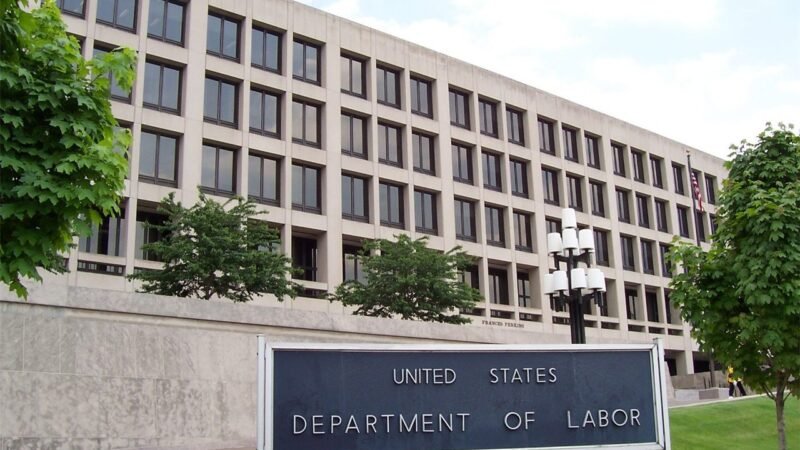
U.S. consumer prices climbed 0.4% in October from September, a faster pace than economists expected. The Bureau of Labor Statistics released the figures on Tuesday, Nov. 10, and they give the Federal Reserve fresh reason to raise interest rates at its December meeting. The consumer price index (CPI), which tracks the cost of a broad basket of goods and services, rose more slowly than September’s 0.6% gain. Even so, food, electricity and housing costs kept squeezing household budgets.
What the numbers show
Economists surveyed by Dow Jones had expected a 0.3% headline increase, CNBC reported, and Reuters cited the same consensus from its own poll. Core CPI, which leaves out volatile food and energy prices and is watched closely by policymakers, rose 0.3%. That matched September’s pace and beat the 0.2% forecast.
According to CNBC’s breakdown of the report, energy prices rose 0.7% for the month. Electricity was up 0.9%, and gasoline rose 1% on a seasonally adjusted basis even though pump prices had been falling recently. Food prices increased 0.5%, with beef up 0.9% and snack foods up 1%. Shelter, the largest single component of the index, rose 0.3% and made up more than 30% of the overall increase. Used cars and trucks were a rare bright spot for buyers: their prices fell 1.2%.
Some notable monthly moves in October:
- Transportation services: up 0.8%
- Medical care commodities: up 0.5%
- Airline fares: up 0.4%
- New vehicles: up 0.2%
- Apparel, a category sensitive to tariffs: up 0.1%
This time the report left out its usual headline number, the year-over-year inflation rate. The agency could not collect price data in October 2025 because of last year’s federal government shutdown, so it has no comparable figure from a year earlier. Reuters noted that annual inflation stood at 3.7% in September. Inflation has now run above the Fed’s 2% target for roughly five and a half years. Economists point to higher oil prices tied to the war with Iran, tariffs imposed last year and heavy spending on artificial intelligence infrastructure as forces keeping prices elevated.
Why it matters for the Fed
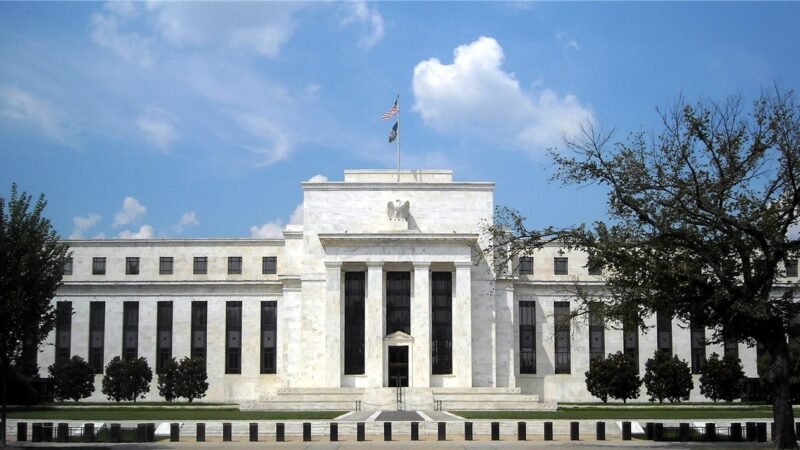
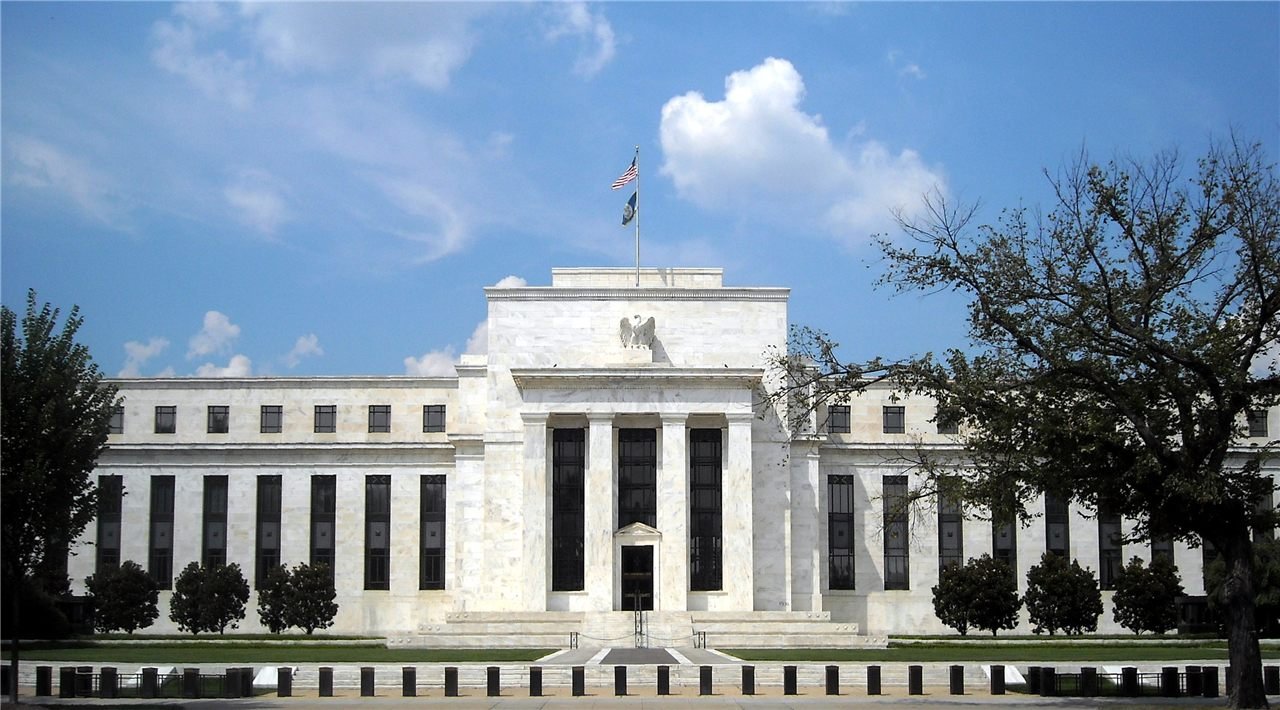
The report came out as the Fed considers raising its benchmark rate, which CNBC put at a range of 3.75% to 4%. Christopher Waller, a member of the Fed’s Board of Governors, said he leans toward a quarter-point increase in December. He also said a larger half-point move should be considered if core inflation came in around 0.3%, which is where it landed. American Banker reported that Waller warned a smaller hike alone “would put our credibility at risk.”
Lorie Logan, president of the Federal Reserve Bank of Dallas, said she sees a need for two more quarter-point increases, followed by a pause to assess conditions, CNBC reported.
Markets moved quickly. Traders fully priced in a quarter-point hike at the Dec. 8-9 policy meeting, according to CNBC, which put the odds of a half-point move at 13.6% using CME Group’s FedWatch tool. Reuters, citing the same tool, reported roughly 85% odds of a quarter-point increase and 15% for a half-point hike. Stock futures fell, and Reuters reported the two-year Treasury yield jumped 13 basis points to 4.68%.
“This was the report the market could least afford to see,” Karen Manna, a fixed income investment strategist at Federated Hermes, told CNBC. Peter Cardillo, chief market economist at Spartan Capital Securities, told Reuters a December hike looks certain and the open question is its size. He added that inflation could ease within weeks if lower oil prices work their way through the economy.
What it means for households
A Fed rate hike would generally mean higher borrowing costs on credit cards, auto loans and other variable-rate debt, while savers could see slightly better yields. Price pressures may not ease soon. CNBC cited a National Federation of Independent Business survey that found a net 37% of small firms plan to raise prices over the next three months, the highest share since July 2022. Meanwhile, the labor market remains solid: the economy added 165,000 jobs in October, and the unemployment rate fell to 4.1%, American Banker noted.
The next major inflation reading is the personal consumption expenditures (PCE) price index, the Fed’s preferred inflation gauge, due later in November. It will be one of the last data points policymakers see before the December meeting.