US Adds 165,000 Jobs in October, Nearly Triple Forecasts
Employers added 165,000 jobs in October, far above forecasts, as consulting, temp work and health care led gains and the jobless rate edged down to 4.1%.
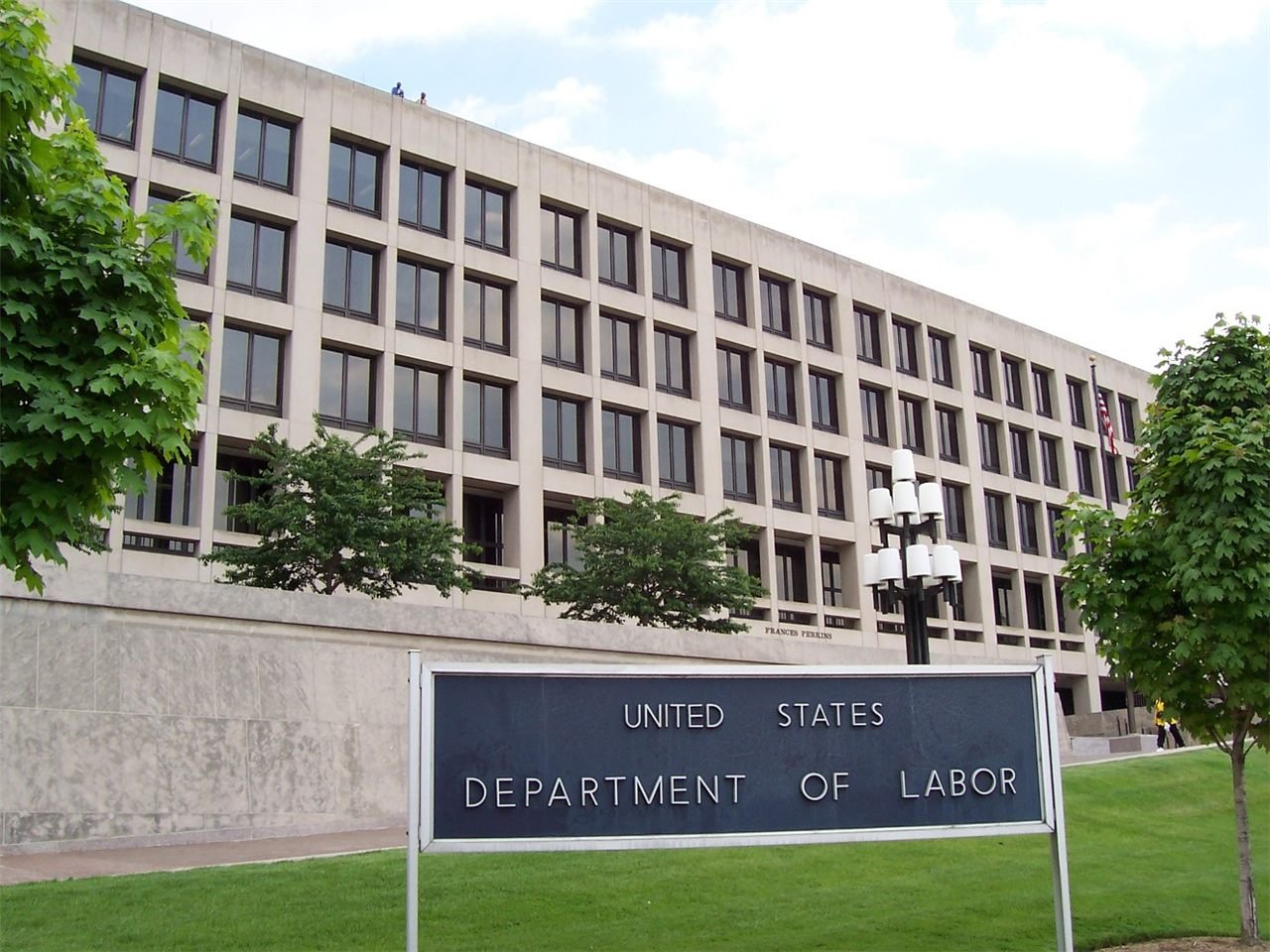
American employers added 165,000 jobs in October, far more than economists had expected, according to the Bureau of Labor Statistics (BLS), the Labor Department agency that publishes the monthly jobs report. The unemployment rate edged down to 4.1%, and earlier months were revised higher, painting a picture of a labor market that is sturdier than many forecasters believed heading into the Federal Reserve’s final meeting of the year.
What the numbers showed
The October gain, released on Friday, Nov. 6, was well above the average monthly increase of 48,000 over the previous 12 months, the BLS said. Forecasts varied slightly by survey: economists polled by LSEG had expected about 65,000 new jobs, Fox Business reported, while CNBC cited a Dow Jones estimate of 59,000. Either way, the actual figure came in at nearly three times expectations.
Private employers accounted for 159,000 of the new positions, and government added 6,000. The BLS also revised its earlier estimates upward: August is now put at 186,000 jobs, 53,000 more than previously reported, and September at 60,000, up 31,000. Together, the two months were 84,000 stronger than first thought.
Other key figures from the report:
- Unemployment rate: 4.1%, with about 7.07 million people out of work. The BLS described the rate as little changed and noted it has stayed between 4.1% and 4.3% since March.
- Wages: Average hourly earnings for private workers rose 14 cents, or 0.4%, to $38.00, and were up 3.1% from a year earlier. Fox Business said both readings beat economists’ estimates.
- Participation: The share of adults working or looking for work was 61.9%, and the employment-to-population ratio was 59.3%.
- Part-time work: The number of people working part time because they could not find full-time jobs or had their hours cut rose by 339,000 to 4.8 million.
Where the hiring came from
Professional and business services led the way with 70,000 new jobs, far above that sector’s 12-month average of about 15,000 a month, Fox Business reported. Health care added 42,000, transportation and warehousing 25,000 and manufacturing 19,000, according to the BLS. Leisure and hospitality, which includes restaurants and hotels, lost 13,000 jobs, and wholesale trade shed 9,100.
CNBC highlighted three less obvious drivers. The first was consulting: management, scientific and technical consulting firms added 17,300 jobs, the category’s biggest monthly gain in nearly two years, pushing employment there past a record 1.9 million. Some economists link that to companies hiring outside help to adopt artificial intelligence. Jeffrey Roach, chief economist at LPL Financial, told CNBC that the AI buildout would “keep the technical consultants employed.” Mark Zandi, chief economist at Moody’s Analytics, asked: “Wasn’t AI supposed to destroy jobs?”
The second was temporary help, which added 18,600 positions. Temp hiring can be an early signal of future full-time hiring, but CNBC noted it may also reflect early holiday staffing that could unwind in January. Similarly, couriers and messengers added 17,400 jobs, a gain that Jason Pride, chief of investment strategy and research at the wealth manager Glenmede, said “bears watching for reversal in the months ahead.”
The third was politics. Campaign hiring for canvassing and phone banking typically peaks in October of election years, and the 2026 midterms were expected to be the most expensive on record, CNBC reported.
Why it matters for households and the Fed
For workers, the report suggests employers are still hiring and pay is rising, though the jump in involuntary part-time work is a reminder that not every job seeker is getting the hours they want. Roughly 2 million people, or 27.6% of the unemployed, had been looking for work for 27 weeks or more, the BLS said.
The stronger data also raise the odds of higher borrowing costs. Federal Reserve policymakers led by Kevin Warsh, chair of the Federal Reserve, meet Dec. 8-9, and the central bank’s focus has been on bringing inflation down. After the report, CME FedWatch, a tool that estimates rate odds from futures prices, put the chance of a quarter-point rate hike in December at 76.8%, up from 66.9% a week earlier, Fox Business reported. Such a move would lift the federal funds rate to a range of 4% to 4.25%, which could feed through to rates on credit cards, car loans and other borrowing.
Seema Shah, chief global strategist at Principal Asset Management, said the data were “a strong rebuttal” to fears of a meaningful slowdown, according to Fox Business. Lindsay Rosner, head of multi-sector fixed income investing at Goldman Sachs Asset Management, said further tightening in the first quarter was possible “if inflation continues to print strong.”
What comes next
Some of October’s strength, including election and holiday-related hiring, may prove temporary, and economists will watch whether gains hold up. Investors are also awaiting the latest consumer price data before the Fed’s December decision. The BLS is scheduled to release the November jobs report on Friday, Dec. 4, just days before policymakers meet.