Novaya Gazeta, Russia’s Leading Independent Paper, Says It Is Closing
Novaya Gazeta says it will cease operations Nov. 9 after more than 30 years, blaming pressure from Russian authorities and security services.
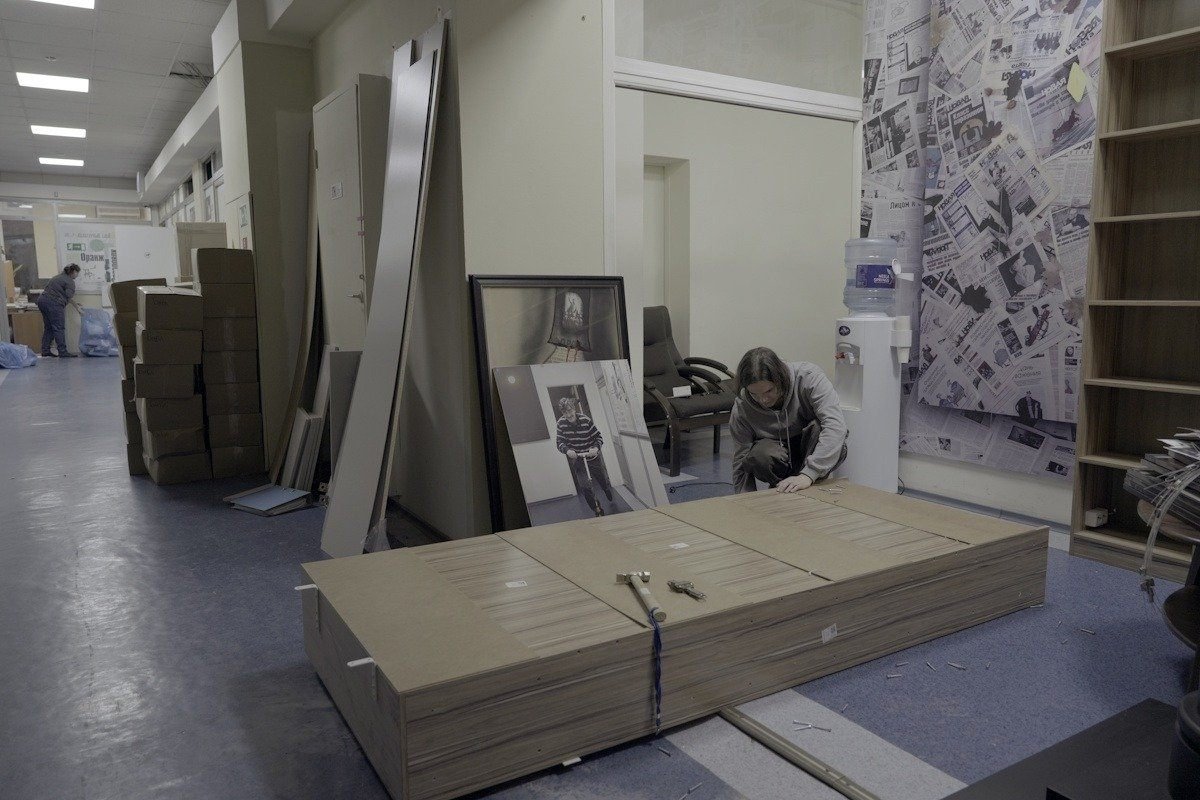
Novaya Gazeta, described by The Moscow Times as Russia’s oldest and most prominent independent newspaper, announced on Friday that it will shut down after more than three decades, blaming pressure from the country’s authorities and security services. The paper, whose longtime editor shared the 2021 Nobel Peace Prize, said it will release one final edition and formally cease operations on Nov. 9.
What happened
Sergei Sokolov, the paper’s editor-in-chief, delivered the news in a video statement posted to YouTube. “Novaya Gazeta has been killed,” he said, according to The Moscow Times. “The Russian authorities and security services have forced our newsroom to shut down.”
The paper’s top editors also published a farewell message on the messaging app Telegram, according to Radio Free Europe/Radio Liberty (RFE/RL), the U.S.-funded broadcaster. “They killed us,” the editors wrote, saying the paper had found itself in a “kill zone.”
Staff will shut down the servers and leave the Moscow office on Nov. 9, The Moscow Times reported, adding that it was unclear how many jobs would be lost.
RFE/RL said the announcement came a day after authorities began evicting the remaining staff from the paper’s Moscow offices. Dmitry Muratov, the paper’s founder and former editor-in-chief, told Agence France-Presse (AFP) that the team had been ordered out of the building it has occupied for 30 years. He also said the paper had been cut off from the financial systems its subscribers use, leaving it unable to receive payments from readers.
What led to the closure
The announcement capped a series of actions against the paper and its staff this year. Oleg Roldugin, the managing editor, was arrested in April and is awaiting trial. Outlets described the case differently: The Moscow Times said he is accused of illegally gathering and using personal information, while Al Jazeera reported a charge of “unlawful access to computerised information.”
Accounts of what happened to Sokolov this month also differ. The Moscow Times said police raided his apartment, questioned him and released him as part of the Roldugin investigation. Al Jazeera said he was taken in for questioning, and it cited Reporters Without Borders, the international press freedom group, as saying he was arrested on Oct. 15.
In September, Russia’s Justice Ministry labeled the paper a “foreign agent,” according to The Moscow Times. Al Jazeera described the designation as a tool used to stifle dissent. An unnamed staff member told The Moscow Times that pressure would likely escalate, warning: “They already have one of us hostage.”
Muratov framed the closure as part of something larger, telling AFP it belongs to Russia’s “giant military campaign” in Ukraine. Closing “was not our decision,” he said, arguing that authorities regard staff who oppose war as a segment of society that must be eliminated. He also said Russia’s constitution, which he noted bans censorship, has effectively been voided.
The reports from these outlets carried no response from the Kremlin or other Russian government bodies to the closure. The only official explanation Al Jazeera cited was the authorities’ statement that the search of the senior editor’s home was linked to the case against Roldugin.
Background
Novaya Gazeta was founded in 1993, after the collapse of the Soviet Union, with support from Mikhail Gorbachev, the last Soviet leader. It became known for long-form investigations into corruption, police brutality, election fraud, human rights abuses in Chechnya and Russian military operations abroad.
That work came at a heavy cost. RFE/RL listed six people connected to the paper who were killed or died in suspicious circumstances, including Anna Politkovskaya, an investigative reporter known for her coverage of Chechnya, who was shot dead in her Moscow apartment building in October 2006. Rights groups believe the killings were retaliatory, The Moscow Times reported.
The paper’s position worsened sharply after Russia launched its full-scale invasion of Ukraine in February 2022. New censorship laws led it to suspend most of its work the following month, and courts later revoked its media license, leaving it online-only, according to The Moscow Times. Editors said in their farewell that the laws had deprived them of “the opportunity to report on the most important and tragic events of our time.”
Muratov shared the Nobel Peace Prize in 2021, with the Norwegian Nobel Committee saying he “refused to abandon the newspaper’s independent policy.” He later stepped down as editor-in-chief after being declared a foreign agent himself.
What comes next
Muratov declined to tell AFP what the team plans to do after Nov. 9, arguing that sharing those plans would hand the security services a target. Roldugin’s case remains unresolved. RFE/RL noted that some of the paper’s editorial staff opened a separate European edition abroad.
The shutdown would remove one of the last outlets that openly criticized the war in Ukraine from inside Russia, in AFP’s description. Al Jazeera reported that censorship and arrests of government critics have risen sharply since the invasion, leaving few independent journalists or news organizations in the country.