US Scraps G20 Group Photo After Diplomats Refuse to Pose With Lavrov
The US canceled the G20 foreign ministers' group photo in Atlanta after delegations objected to posing with Russia's Sergei Lavrov.
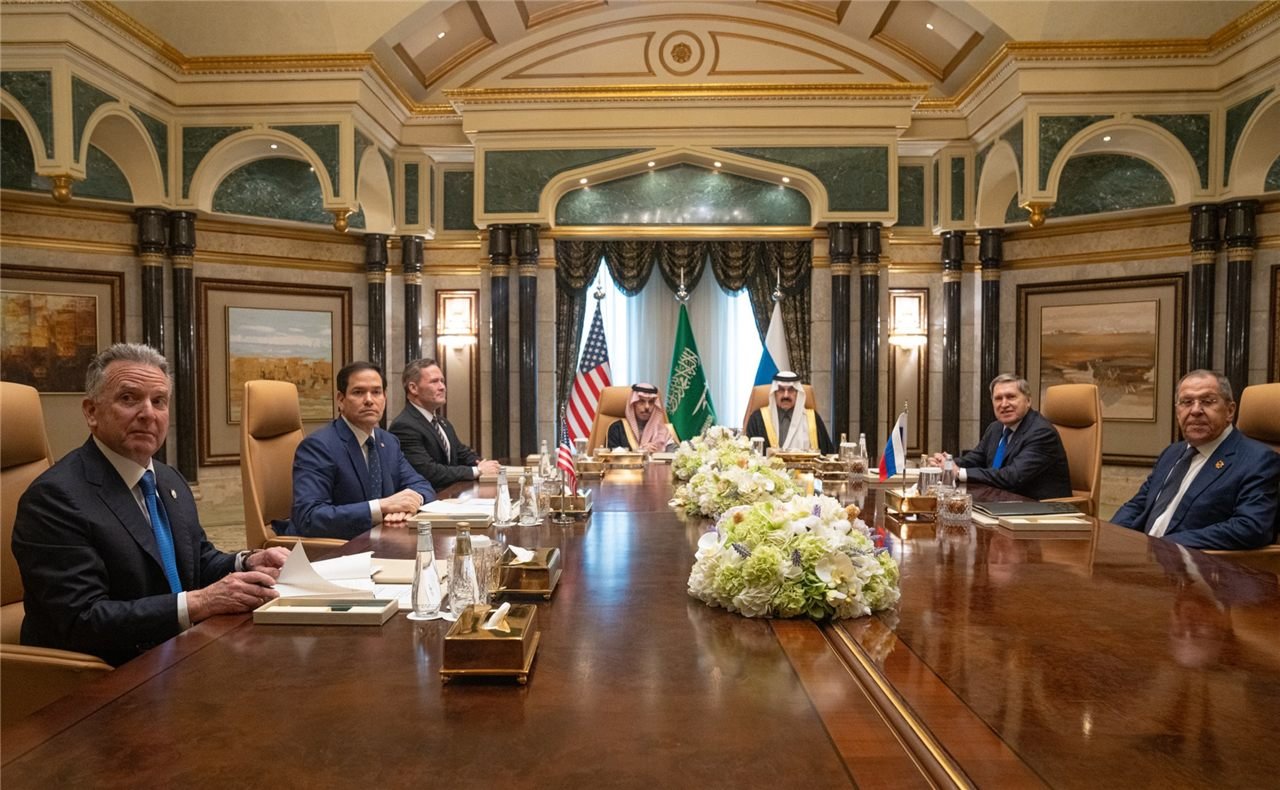
The United States canceled the traditional group photo at a meeting of G20 foreign ministers in Atlanta on Friday after delegations refused to be pictured with Sergei Lavrov, Russia’s foreign minister, according to officials who spoke to the BBC, CNN and the Associated Press. The dispute exposed the divide between Washington and its European allies over Russia as the two-day gathering opened, days before the US midterm elections.
What happened
The G20 is a forum of the world’s largest economies, and its meetings usually feature a “family photo” of all attending representatives. The Atlanta picture had been scheduled for Friday morning, the BBC reported. Marco Rubio, the US secretary of state, is chairing the talks.
Accounts differ on how broad the opposition was. The AP, citing US officials, said several European diplomats objected and threatened to walk out. CNN reported that two Western officials put the number who threatened to leave at more than a third of those attending.
CNN also reported, citing three sources, that the US considered taking two photos, one with Lavrov and one without, before Rubio dropped the idea altogether. Two US officials told the AP that the decision was made on Thursday because Rubio judged the controversy would be a distraction. A US official told the BBC the aim was to avoid allowing “a ceremonial photo opportunity to become a diplomatic distraction.”
None of the reports carried a direct Russian response to the cancellation. Before the meeting, Maria Zakharova, the Russian foreign ministry’s spokeswoman, complained that visa problems were resolved only at the last minute, which she said gave the impression that “not everyone in Washington is happy” about Lavrov’s attendance, according to the AP. She said he would press for reform of global economic institutions and a “multipolar world.”
Why European governments objected
Johann Wadephul, Germany’s foreign minister, said before the meeting that there would be no photo of European partners with Lavrov because “there is no normality with Russia,” the German news agency dpa reported. He added that the sides should air their disputes at the table while avoiding “false visual signals.”
The United Kingdom, represented by Foreign Secretary Ed Miliband, was among the countries that declined to take part, a diplomatic source told the BBC. A British official cited a “longstanding policy” against direct engagement with Russian ministers since Russia’s invasion of Ukraine.
Wadephul played down any rift with Washington. CNN reported that he called Rubio “a reliable partner” and said the US and Europe share the same basic position on the war, while acknowledging a difference in tone because Europe is closer to the conflict.
A shifting US approach to Moscow
The dispute comes amid a partial thaw between Washington and Moscow. Russia launched its full-scale invasion of Ukraine in February 2022 and controls about a fifth of Ukrainian territory, the BBC noted, and has recently stepped up deadly missile and drone attacks on Kyiv and other cities. Lavrov has rarely traveled to NATO countries since the invasion, according to the AP.
In recent weeks, President Donald Trump has waived some sanctions on Russia and agreed to a deal to import Russian diesel as he tries to lower US fuel prices before the midterms, the BBC reported. Trump has said suspending some sanctions is meant to keep Moscow at the negotiating table. Volodymyr Zelensky, Ukraine’s president, called the deal a “gift” to Vladimir Putin, Russia’s president.
The AP reported that Trump also temporarily limited logistical and intelligence aid to Ukraine, and CNN said he pressed Kyiv to stop attacking Russian oil refineries. Ukraine, which is not a G20 member but has attended similar meetings in recent years, was not invited. US officials told the AP they chose to include only formal members.
Critics of the invitation include Ian Kelly, a former US ambassador to the country of Georgia who now teaches at Northwestern University. He told the AP that inviting Lavrov was “politically boneheaded” and would weaken the message of Western members on Ukraine.
What comes next
The meeting runs through Saturday and is meant to set the agenda for a G20 leaders’ summit that Trump will host in December at his golf club in Miami. The AP said it is unclear whether Putin will accept Trump’s invitation to attend.
Other disputes crowd the agenda, according to the AP, including the US-Israeli war against Iran, US tariffs and Chinese actions in the South China Sea. Rubio told delegates they were meeting at a “critical moment,” CNN reported, and said the G20 “must work together to confront these threats” to trade, energy and food supplies and freedom of navigation, according to dpa.
Iran is a particular concern. The AP reported that US officials told several Middle Eastern countries to prepare for possible renewed strikes on Iran after Tuesday’s elections, as well as possible retaliation. Wadephul called for a diplomatic solution and an end to the blockade of the Strait of Hormuz, a vital route for global energy supplies, saying a new military conflict would not solve the problem, dpa reported.
Attendance was also uneven. China sent a deputy foreign minister, while South Africa, which chaired the G20 last year when Trump and Rubio shunned its meetings, was absent. Phindile Kunene, a spokesperson for South African Foreign Minister Ronald Lamola, told the AP that its nonparticipation “is not voluntary.” South Africa says it is ready to return “on an equal footing” when Britain takes over the presidency next year.