UK Energy Price Cap to Jump 26% in January as Middle East Gas Shock Bites
Ofgem says typical British household energy bills will rise £443 to £2,166 a year from January 1 as wholesale gas prices surge.
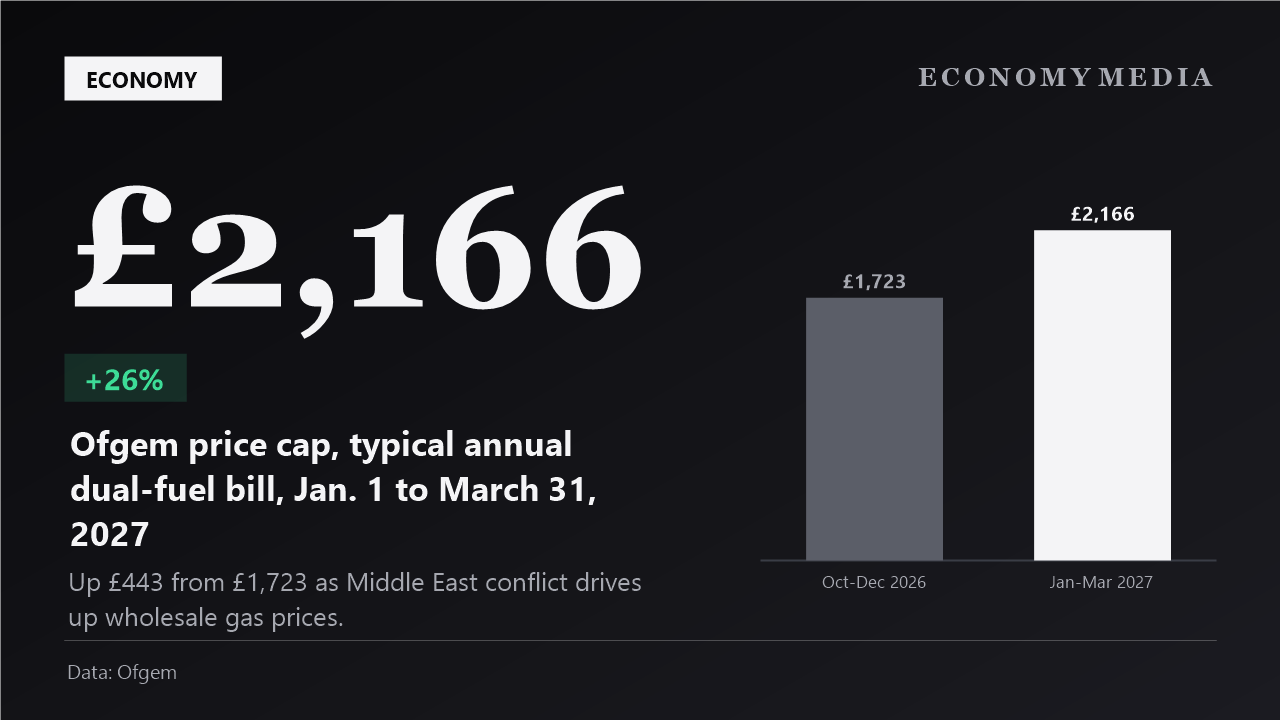
Millions of households in Britain will pay sharply more to heat and light their homes this winter after Ofgem, the energy regulator for England, Scotland and Wales, said its price cap will rise by 26% from January 1. The regulator said in a statement published on November 25 that the annualized bill for a typical household paying by direct debit will climb from £1,723 to £2,166, an increase of £443, for the three months from January 1 to March 31, 2027.
Ofgem blamed the jump on the conflict in the Middle East, which has driven up the cost of the natural gas that both heats British homes and sets much of the country’s electricity price.
What happened
The price cap does not limit total bills. Instead, it sets the maximum that suppliers can charge per unit of energy and in daily standing charges on default, or “standard variable,” tariffs. Ofgem said about 20 million households are on those tariffs and will feel the increase directly, while around 10 million households on fixed-price deals are protected until their contracts end.
According to the regulator, the January cap pushes gas bills up 33% compared with the October to December period, while electricity bills rise 19%. Ofgem said the new level is 31.8% higher than the same period of 2026 after adjusting for inflation.
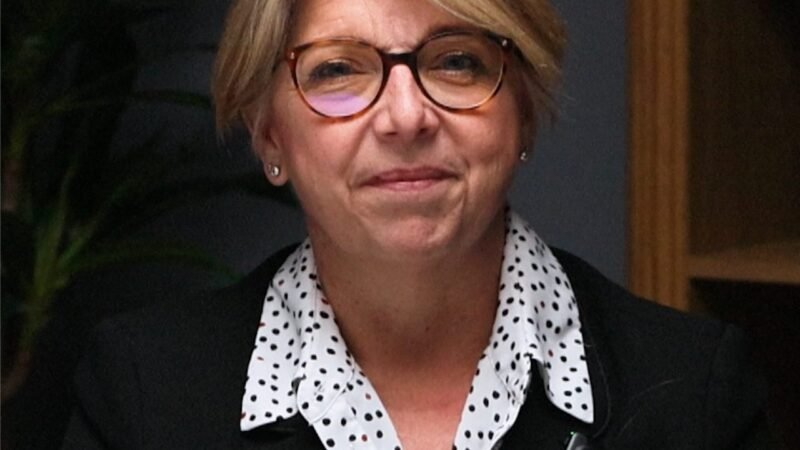
Neil Kenward, Ofgem’s director general for markets, said the Middle East conflict “continues to drive energy costs higher” and acknowledged that the increase would worry many households as winter approaches. He urged customers who are struggling to contact their supplier.
Why it matters
The increase lands in the coldest months of the year, when households use the most energy. Craig Lowrey, retail markets principal at Cornwall Insight, an energy consultancy, told City AM ahead of the announcement that the timing “could hardly be worse.” Cornwall Insight’s forecast of £2,166 turned out to match Ofgem’s final figure exactly, while the Bank of England had pencilled in about £2,150 in its November monetary policy report, City AM reported.
Higher energy costs also feed directly into inflation. City AM noted that UK consumer prices rose 3.6% in the year to October and that the Bank of England’s central projections point to inflation of nearly 5% by the middle of next year. Some economists have called on the central bank to raise interest rates from 4% to as high as 5%, the paper reported, which would add pressure on borrowers already facing higher bills.
Government support will soften only part of the blow. Ofgem said around 20 million households will receive a £100 payment from the government toward their energy bills from January. Lowrey told City AM that this payment, along with the removal of value-added tax from electricity bills, can “only chip away at the edges” of the increase. An analysis by Impakter, a sustainability news site, calculated that the £100 payment covers less than a quarter of the £443 rise.
Background
The price cap is reviewed every three months. It last rose in July, by about £60, after the war involving Iran began in March and sent wholesale gas prices higher, according to City AM. Impakter reported that wholesale gas prices have roughly tripled.
Comparisons with earlier years are complicated by a methodology change. In July, Ofgem lowered its estimates of how much energy a typical home uses, reflecting roughly 7% less electricity and 17% less gas consumption than at its previous review. Under the older usage benchmarks, the regulator said, the typical bill would rise from £1,935 to £2,451.
What comes next
Ofgem said it has written to suppliers, network companies and energy brokers, asking suppliers to identify customers who need help early and to make sure repayment plans are affordable and sustainable. The regulator said it is also stepping up its monitoring of how companies treat struggling customers.
Ofgem noted that customers who pay by standard credit, meaning they settle bills after receiving them, pay more on average than those paying by direct debit, a difference it put at about £160 a year. The next cap, covering April to June 2027, is due to be announced by February 23, and its level will depend heavily on how wholesale gas markets respond to developments in the Middle East over the winter.